

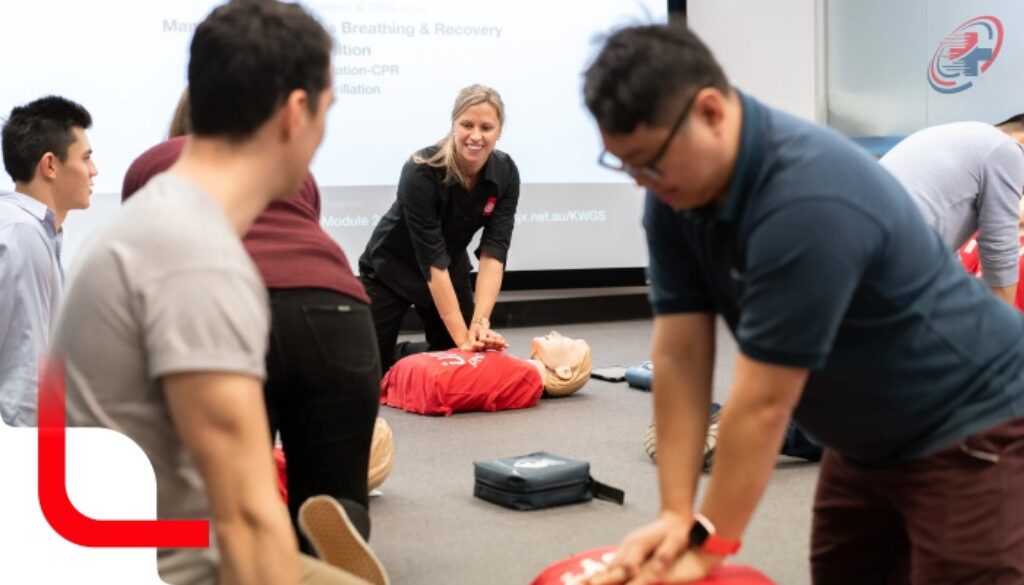
Why First Aid Training Is Essential for Workplace Safety and Emergency Readiness
Workplace accidents and medical emergencies can happen at any time, regardless of industry or work environment. From minor injuries to life-threatening situations, the actions taken in the first few minutes can significantly impact outcomes. This is why first aid training is an essential element of workplace safety and emergency readiness.
First aid training equips employees with the knowledge and practical skills needed to respond effectively during emergencies before professional medical assistance arrives. Trained individuals can assess situations quickly, provide immediate care, and stabilize injured or ill coworkers. Early intervention can reduce injury severity, prevent complications, and in many cases, save lives.
Beyond emergency response, first aid training plays a crucial role in preventing workplace injuries from worsening. Proper wound care, bleeding control, and safe handling techniques help minimize the risk of infection and long-term damage. When employees understand how to respond correctly, minor incidents are less likely to escalate into serious medical cases that require extended recovery time.
First aid training also supports a culture of preparedness and confidence in the workplace. Employees who are trained feel more capable and less panicked during emergencies. This confidence enables faster, more organized responses and reduces chaos during critical moments. In high-risk industries such as construction, manufacturing, and mining, this readiness is especially important.
From a compliance perspective, first aid training helps organizations meet occupational health and safety regulations. Many safety standards require trained first aiders on site as part of emergency preparedness plans. Providing certified training demonstrates a company’s commitment to safety, reduces legal risks, and strengthens overall safety management systems.
First aid training also contributes to business continuity and productivity. When injuries are managed promptly and correctly, downtime is reduced, absenteeism decreases, and recovery times improve. Fewer serious incidents mean lower medical costs, reduced workers’ compensation claims, and more stable operations.
Most importantly, first aid training shows genuine concern for employee well-being. Workers who know their employer invests in their safety feel valued and protected. This sense of care enhances morale, builds trust, and encourages a positive safety-first culture across the organization.
In today’s workplaces, emergency readiness is not optional. First aid training is a practical, cost-effective investment that protects lives, supports safety compliance, and ensures organizations are prepared to respond when emergencies occur.