

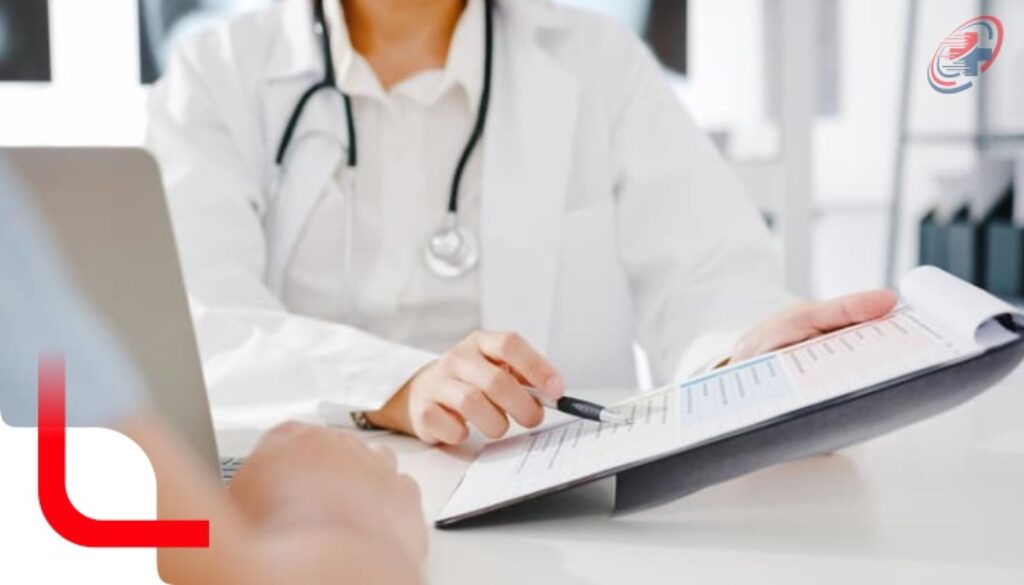
The Role of Routine Medical Check-Ups in Maintaining a Healthy Workforce
A healthy workforce is the foundation of safe, productive, and sustainable business operations. In many industries—especially those involving physical labor, hazardous environments, or high stress—employee health directly affects performance and safety. This is why routine medical check-ups play a vital role in maintaining a healthy and reliable workforce.
Routine medical check-ups allow organizations to monitor employees’ health conditions on a regular basis. These examinations help identify early signs of illness, fatigue, or underlying medical issues that could impact job performance or increase the risk of workplace accidents. Early detection enables timely intervention, preventing minor health concerns from developing into serious conditions.
In safety-sensitive roles, routine medical check-ups are essential for fitness-for-work assessments. Employees must be physically and mentally fit to perform their duties safely, particularly in industries such as construction, mining, transportation, and manufacturing. Regular health evaluations ensure workers are capable of meeting job demands while reducing the risk of accidents caused by medical conditions.
Routine medical check-ups also support preventive healthcare. By monitoring vital signs, physical health indicators, and occupational risk factors, companies can implement preventive measures such as work adjustments, health counseling, or wellness programs. This proactive approach helps reduce absenteeism, lower healthcare costs, and improve overall workforce resilience.
From a compliance standpoint, routine medical check-ups assist organizations in meeting occupational health and safety regulations. Many regulatory frameworks require ongoing health monitoring for employees exposed to physical, chemical, or environmental hazards. Proper medical documentation and health surveillance demonstrate due diligence and strengthen safety management systems.
Beyond compliance and prevention, routine medical check-ups positively impact employee morale and engagement. Workers who feel that their health is prioritized are more motivated and loyal. A strong commitment to employee well-being fosters trust, improves retention, and enhances the company’s reputation as a responsible employer.
Operationally, routine medical check-ups contribute to productivity and continuity. Healthy employees are more focused, efficient, and less likely to experience sudden medical issues that disrupt operations. By reducing health-related downtime and ensuring consistent workforce readiness, companies can maintain stable and efficient operations.
In today’s competitive and demanding work environments, routine medical check-ups are more than a health benefit—they are a strategic investment. By prioritizing employee health, organizations create safer workplaces, improve performance, and build a sustainable workforce prepared to meet long-term business challenges.